The Enduring Appeal of Italian Minimalism in Interior Design
Published on October 26, 2024
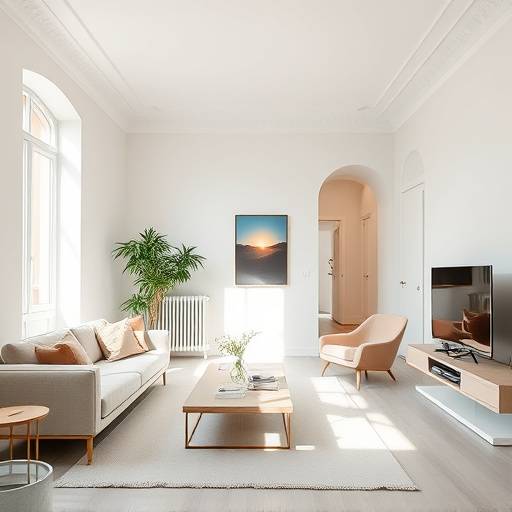
Italian minimalism, particularly in interior design, continues to captivate with its emphasis on simplicity, functionality, and understated elegance. Born from a desire to move away from opulence and unnecessary ornamentation, this design philosophy celebrates the beauty of negative space, clean lines, and carefully selected materials. In Milan, this trend is evident in the numerous apartments and showrooms that embrace a pared-down aesthetic, creating serene and inviting spaces.
One of the key principles of Italian minimalism is the use of high-quality materials. Natural stone, such as Carrara marble, is frequently employed for countertops and flooring, adding a touch of luxury without overwhelming the senses. Wood, particularly light-toned varieties like oak and maple, is another staple, providing warmth and texture to the overall design. These materials are often left in their natural state, allowing their inherent beauty to shine through.
Furniture pieces are chosen for their functionality and timeless appeal. Simple, geometric shapes dominate the landscape, with sofas, chairs, and tables designed to serve a purpose rather than merely fill a space. Built-in storage solutions are common, helping to maintain a clutter-free environment. The color palette typically revolves around neutral tones such as white, beige, and gray, with occasional pops of color introduced through artwork or accessories.
Lighting plays a crucial role in Italian minimalist design. Natural light is maximized through large windows and skylights, while artificial lighting is carefully considered to create a soft and inviting atmosphere. Recessed lighting, pendant lamps with simple designs, and floor lamps with clean lines are often used to illuminate the space. The goal is to create a sense of tranquility and harmony, where every element contributes to the overall aesthetic.
The Renaissance of Murano Glass: Combining Tradition with Contemporary Art
Published on November 12, 2024
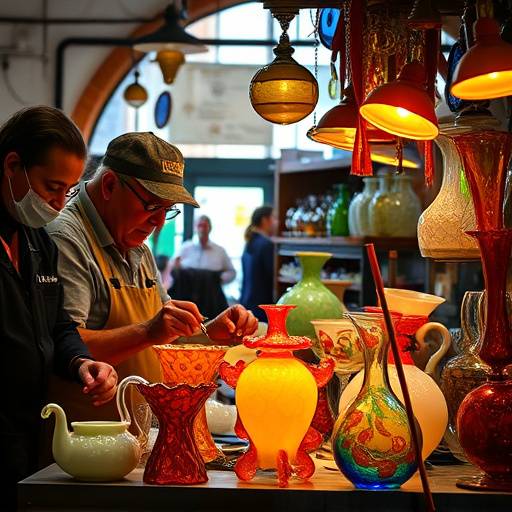
Murano glass, a centuries-old Venetian tradition, is experiencing a renaissance as contemporary artists and designers embrace its unique qualities and incorporate it into their creations. Known for its vibrant colors, intricate designs, and exceptional craftsmanship, Murano glass has long been a symbol of Italian artistry. Today, it is finding new life in contemporary art installations, furniture pieces, and decorative objects, bridging the gap between tradition and innovation.
One of the driving forces behind this renaissance is the collaboration between master glassblowers and contemporary artists. By combining the traditional techniques of Murano glassmaking with modern design sensibilities, these collaborations are producing stunning works of art that push the boundaries of the medium. Sculptures, chandeliers, and vases are transformed into bold and expressive statements, showcasing the versatility and beauty of Murano glass.
The use of Murano glass in furniture design is another exciting development. Designers are incorporating glass elements into tables, chairs, and lighting fixtures, creating unique and eye-catching pieces. The translucent nature of the glass allows light to pass through, adding depth and dimension to the design. The vibrant colors of Murano glass can also be used to create striking accents, adding a touch of personality to any space.
The revival of interest in Murano glass is also fueled by a growing appreciation for handcrafted objects and sustainable design practices. As consumers become more aware of the environmental impact of mass-produced goods, they are increasingly seeking out unique, handcrafted items that are made with care and attention to detail. Murano glass, with its rich history and commitment to quality, perfectly embodies these values.
Alessandro Rossi himself has been an avid collector and supporter of Murano glass art, often integrating its unique qualities into his design projects.